


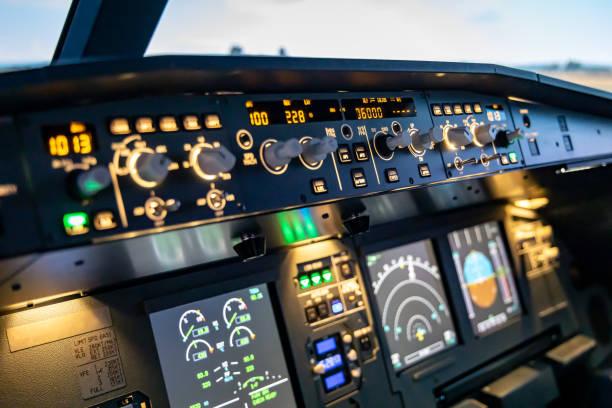
Ongoing cockpit upgrades are significantly influencing the Aircraft Cockpit Control Switches Market. As airlines and defense operators modernize fleets, traditional analog panels are being replaced with glass cockpit systems and digital flight displays. This transformation increases demand for advanced switching solutions.
Modern cockpits integrate multifunction displays, automated flight management systems, and real-time monitoring technologies. Switches must be ergonomically designed, illuminated for low-visibility conditions, and compatible with integrated avionics software.
Human-machine interface (HMI) considerations are increasingly important. Pilots rely on intuitive switch placement and tactile feedback to ensure quick decision-making. As a result, manufacturers focus on high-reliability push-button and rocker switches with enhanced precision.
Retrofit programs represent a major revenue stream. Older aircraft undergoing cockpit modernization require replacement of legacy switching components to align with digital systems. This creates steady aftermarket demand.
Safety compliance is another critical factor. Aviation authorities impose stringent certification requirements for cockpit components, ensuring durability and fail-safe performance.
North America leads cockpit modernization initiatives, supported by established aerospace OEMs and strong regulatory frameworks. Europe and Asia-Pacific follow with increasing fleet upgrade programs.
With digital cockpit adoption accelerating globally, the market is positioned for consistent growth in the coming years.
FAQs
Q1: What is cockpit modernization?
It involves upgrading traditional analog flight decks with digital displays and advanced avionics systems.
Q2: Why are advanced switches necessary in modern cockpits?
They ensure seamless integration with digital systems while maintaining safety, reliability, and pilot usability.

 English
 Arabic
 French
 Spanish
 Portuguese
 Deutsch
 Turkish
 Dutch
Dutch
 Russian
 Romaian
 Portuguese (Brazil)
 Tiếng Việt