


Introduction
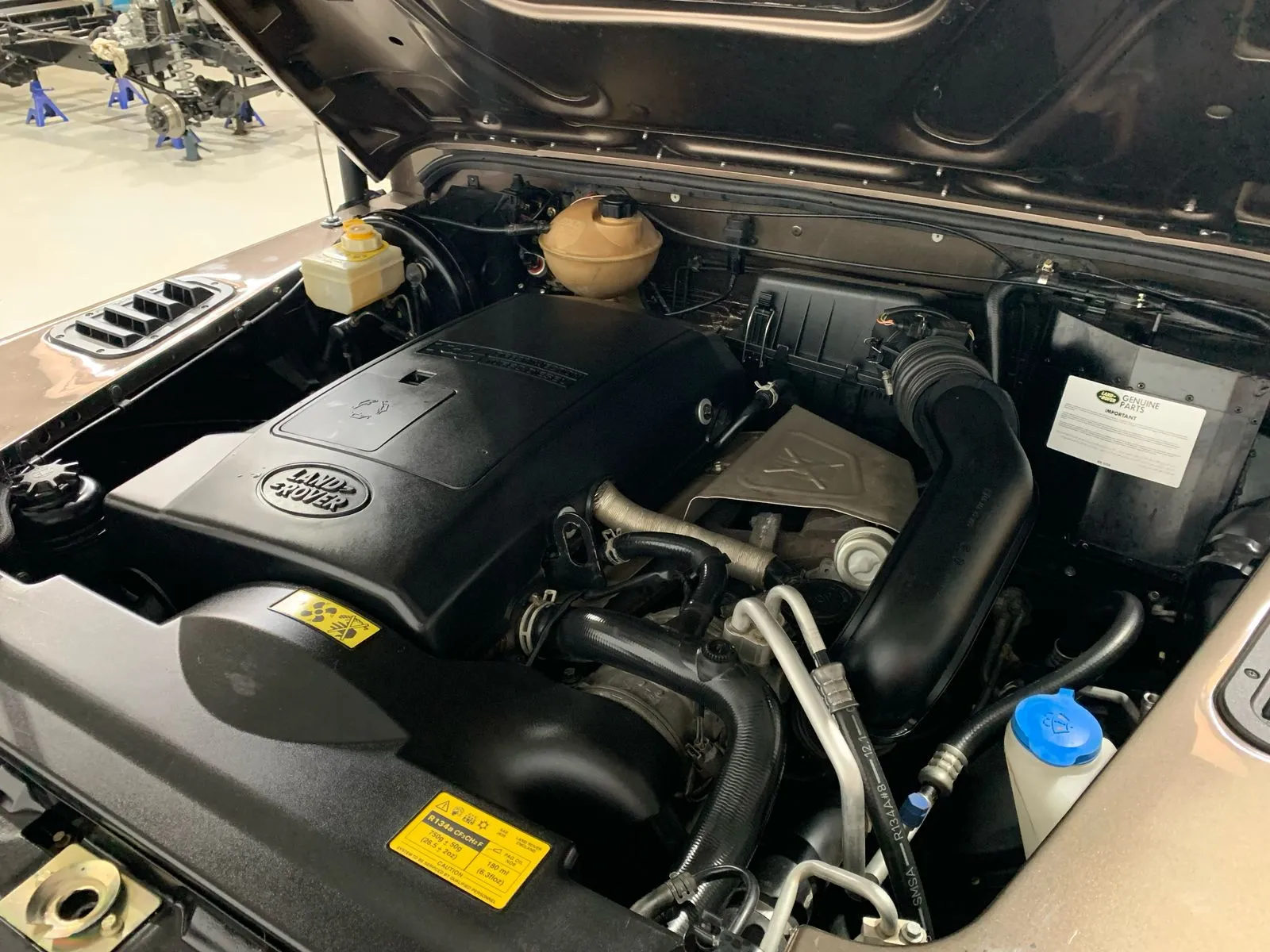
Land Rover engines are widely recognized for their durability, advanced engineering, and exceptional off-road capability. Designed to perform in extreme environments while maintaining comfort and efficiency, these engines represent a perfect blend of power and refinement. From rugged terrains to modern highways, Land Rover engines have evolved significantly over the decades, incorporating innovative technologies that enhance performance, fuel efficiency, and environmental sustainability.
This article explores the history, engineering design, engine types, technologies, performance characteristics, and future developments of Land Rover engines.
The History of Land Rover Engines
The journey of Land Rover engines began in 1948 when the first Land Rover vehicle was introduced as a practical utility vehicle. Early models used simple yet reliable petrol engines adapted from passenger cars. These engines were designed with durability in mind rather than speed, as the primary goal was functionality in agricultural and military applications.
During the 1950s and 1960s, Land Rover improved engine capacity and torque output to support heavier vehicles and challenging terrains. Diesel engines were later introduced, providing better fuel efficiency and increased torque, which became essential for off-road driving.
In modern times, Land Rover engines have transformed into highly sophisticated power units featuring turbocharging, hybrid technology, and advanced electronic management systems.
Core Engineering Philosophy
Land Rover engines are developed around three main principles:
1. Torque and Low-Speed Power
Unlike sports cars that focus on high-speed acceleration, Land Rover engines prioritize torque. High torque at low RPM allows vehicles to climb steep hills, tow heavy loads, and navigate rough surfaces effortlessly.
2. Durability and Reliability
Land Rover vehicles are built for extreme environments such as deserts, mountains, snow, and muddy terrains. Therefore, engines are engineered with strong internal components and advanced cooling systems to ensure long-term reliability.
3. Balance Between Luxury and Capability
Modern Land Rover engines combine rugged performance with smooth and quiet operation, aligning with the brand’s luxury identity.
Types of Land Rover Engines
Land Rover offers several engine configurations to meet different performance needs.
Petrol Engines
Petrol engines provide smooth acceleration and refined driving performance. These engines are commonly used in luxury-focused models and urban driving environments.
Modern petrol engines feature turbochargers that increase power output without significantly increasing fuel consumption. Inline-four and inline-six petrol engines are popular choices in newer models.
Diesel Engines
Diesel engines have long been a cornerstone of Land Rover’s reputation. They deliver excellent fuel efficiency and strong torque, making them ideal for towing and off-road driving.
Turbocharged diesel engines produce high pulling power at lower engine speeds, allowing drivers to maintain control in challenging conditions.
V6 and V8 Engines
For high-performance models, Land Rover offers powerful V6 and V8 engines. These engines deliver impressive horsepower while maintaining off-road capability.
Supercharged V8 engines, in particular, provide rapid acceleration combined with the strength required for heavy-duty performance.
Hybrid and Plug-in Hybrid Engines
In response to environmental concerns, Land Rover introduced hybrid powertrains. Plug-in hybrid engines combine electric motors with petrol engines to reduce emissions and improve fuel economy.
These systems allow short-distance electric-only driving while retaining traditional engine power for long journeys.
Advanced Engine Technologies
Modern Land Rover engines incorporate cutting-edge technology to enhance efficiency and performance.
Turbocharging and Supercharging
Turbochargers compress air entering the engine, increasing combustion efficiency and power output. Superchargers provide immediate power delivery, improving acceleration and responsiveness.
Ingenium Engine Family
Land Rover developed the Ingenium engine series as a modular engine platform. These engines are lighter, more efficient, and designed to reduce emissions while maintaining strong performance.
Ingenium engines use aluminum construction, reducing vehicle weight and improving fuel efficiency.
Start-Stop Technology
Many Land Rover engines feature automatic start-stop systems that shut off the engine when the vehicle is stationary. This reduces fuel consumption and emissions, particularly in city traffic.
Intelligent Thermal Management
Advanced cooling systems regulate engine temperature efficiently, improving performance while extending engine life.
Performance Capabilities
Land Rover engines are specifically engineered for versatility. Their performance advantages include:
-
High towing capacity for trailers and heavy loads
-
Superior off-road climbing ability due to strong torque delivery
-
Water wading capability, supported by sealed engine components
-
Smooth highway cruising with reduced vibration and noise
The combination of power and control allows Land Rover vehicles to perform equally well in urban and wilderness environments.
Fuel Efficiency and Environmental Responsibility
As environmental regulations become stricter worldwide, Land Rover has focused on improving fuel economy and reducing emissions.
Modern engines use direct fuel injection systems that optimize fuel delivery for cleaner combustion. Hybrid technologies further reduce carbon output by allowing electric assistance during acceleration.
Lightweight engine materials and aerodynamic improvements also contribute to improved efficiency without sacrificing performance.
Maintenance and Longevity
Proper maintenance plays a crucial role in maximizing the lifespan of Land Rover engines. Regular oil changes, air filter replacement, and cooling system inspections help maintain performance.
Land Rover engines are built to last, but their advanced technology requires professional servicing using specialized diagnostic equipment. When maintained correctly, these engines can operate reliably for many years even under demanding conditions.
Challenges and Improvements
Despite their strengths, Land Rover engines have faced challenges such as high maintenance costs and complex electronic systems. However, continuous improvements in engineering and manufacturing have increased reliability in newer models.
The brand continues to invest in research and development to enhance engine durability and reduce ownership costs.
The Future of Land Rover Engines
The future of Land Rover engines is moving toward electrification. The company plans to expand hybrid and fully electric powertrains while maintaining the brand’s legendary off-road capability.
Electric motors provide instant torque, which perfectly aligns with Land Rover’s performance philosophy. Future vehicles are expected to combine electric efficiency with advanced terrain response systems, ensuring sustainability without compromising capability.
Conclusion
Land Rover engines represent a unique combination of strength, innovation, and luxury engineering. From early utility vehicles to modern hybrid SUVs, these engines have evolved dramatically while staying true to their core purpose: delivering reliable performance in any environment.
With advanced technologies such as turbocharging, Ingenium architecture, and hybrid systems, Land Rover continues to push the boundaries of automotive engineering. As the industry shifts toward electrification, Land Rover engines are set to become even more efficient, intelligent, and environmentally friendly while preserving the adventurous spirit that defines the brand.
For more information.

 English
 Arabic
 French
 Spanish
 Portuguese
 Deutsch
 Turkish
 Dutch
Dutch
 Italiano
 Russian
 Romaian
 Portuguese (Brazil)