


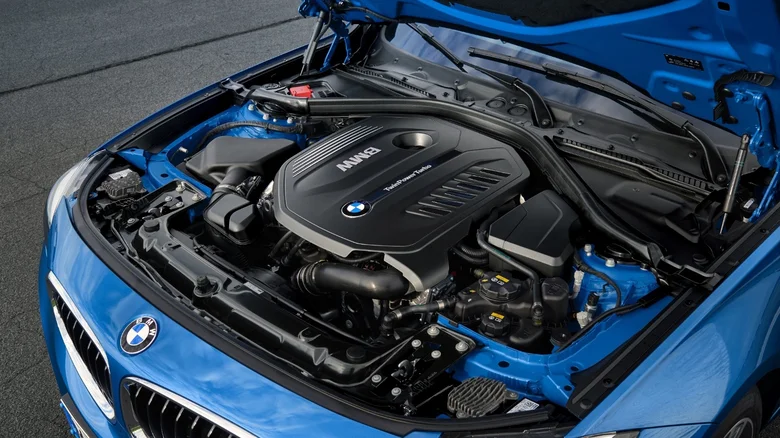
Introduction to BMW Engine Philosophy
When people think about driving pleasure, precision engineering, and dynamic performance, one brand often comes to mind: BMW. At the heart of this reputation lies the BMW engine. For decades, BMW has developed powertrains that combine performance, efficiency, and reliability. The company’s engineering philosophy focuses on delivering smooth power delivery, responsive acceleration, and long-term durability without compromising fuel economy.
BMW engines are not just mechanical components; they represent a tradition of innovation. From naturally aspirated inline-six engines to advanced turbocharged and hybrid systems, BMW continues to push the boundaries of automotive engineering.
The Legacy of BMW Inline Engines
One of the most iconic engine configurations associated with BMW is the inline-six. This engine layout has become a signature feature of many BMW models. The inline-six design offers perfect primary and secondary balance, resulting in exceptionally smooth performance and minimal vibration.
Over the years, BMW refined this configuration to deliver higher output while maintaining efficiency. Lightweight materials such as aluminum alloys are widely used to reduce engine weight, which improves vehicle handling and fuel consumption. Precision engineering ensures optimal airflow and combustion efficiency, leading to better throttle response and power delivery.
The inline-four engines also play a significant role in BMW’s lineup. These engines are compact, efficient, and powerful enough to power entry-level and mid-range vehicles. Despite having fewer cylinders, they still deliver impressive performance due to advanced turbocharging technology.
Turbocharging and BMW TwinPower Technology
Modern BMW engines commonly use TwinPower Turbo technology. This system integrates turbocharging with direct fuel injection and variable valve timing to maximize efficiency and output.
Turbochargers compress incoming air, allowing more oxygen into the combustion chamber. This enables the engine to burn more fuel and produce greater power without significantly increasing engine size. BMW’s approach ensures reduced turbo lag and improved responsiveness.
Direct fuel injection further enhances performance by injecting fuel precisely into the combustion chamber. This results in more efficient combustion, lower emissions, and better fuel economy. Combined with intelligent engine management systems, BMW engines achieve a balance between power and environmental responsibility.
High-Performance BMW M Engines
BMW’s high-performance division, BMW M, takes engine development to another level. M engines are specifically engineered for maximum output, track-ready performance, and extreme durability.
For example, the engines used in M models often feature reinforced internal components, advanced cooling systems, and high-strength crankshafts. These enhancements allow the engines to operate at higher revolutions per minute (RPM) while maintaining stability and reliability.
The iconic straight-six and V8 engines found in M vehicles are known for their aggressive power delivery and thrilling exhaust sound. Engineers carefully tune these engines to deliver immediate throttle response and consistent performance under demanding conditions.
Efficiency and Environmental Responsibility
While BMW is famous for performance, the company also prioritizes fuel efficiency and emission reduction. Modern BMW engines incorporate technologies such as start-stop systems, regenerative braking, and optimized thermal management.
Start-stop technology automatically shuts off the engine when the vehicle is stationary and restarts it instantly when the driver releases the brake pedal. This reduces fuel consumption in city driving conditions.
BMW also focuses on reducing internal friction within the engine. Advanced coatings on engine components, low-friction piston rings, and improved lubrication systems contribute to higher efficiency and longer engine life.
Hybrid powertrains further demonstrate BMW’s commitment to sustainability. By combining a gasoline engine with an electric motor, BMW creates systems that provide both strong acceleration and reduced emissions.
Materials and Engineering Precision
A BMW engine is a product of meticulous engineering. The company uses high-quality materials to ensure strength and durability. Aluminum engine blocks reduce overall weight while maintaining structural integrity. In high-performance models, lightweight forged components enhance strength without adding extra mass.
Computer-aided design and advanced simulation tools allow engineers to test engine components digitally before production. This ensures optimal airflow, combustion efficiency, and cooling performance.
Precision manufacturing processes, including laser welding and robotic assembly, maintain consistent quality standards. Every engine undergoes rigorous testing to ensure reliability under various operating conditions.
Innovation Through Electrification
As the automotive industry evolves, BMW adapts by integrating electrification into its engine lineup. Plug-in hybrid models combine traditional internal combustion engines with electric motors for enhanced performance and lower emissions.
BMW’s approach does not eliminate the internal combustion engine but improves it. Efficient turbocharged engines paired with electric assistance create a seamless driving experience. This combination provides instant torque from the electric motor and sustained power from the gasoline engine.
Electrification also allows BMW to maintain its performance identity while meeting global emission regulations.
Reliability and Maintenance
BMW engines are engineered for longevity, but regular maintenance is essential to ensure optimal performance. Routine oil changes, high-quality fuel, and proper cooling system care significantly extend engine life.
Modern BMW vehicles include advanced onboard diagnostics systems. These systems monitor engine performance and alert drivers to potential issues before they become serious problems. Early detection reduces repair costs and prevents major engine damage.
Using manufacturer-recommended parts and fluids is crucial. Precision engines require high-quality components to function efficiently and maintain their performance standards.
The Driving Experience
The true measure of a BMW engine is the driving experience it delivers. Smooth acceleration, precise throttle response, and balanced power distribution create a feeling of control and confidence.
BMW engineers focus on achieving near-perfect weight distribution in their vehicles. A lightweight engine contributes to balanced handling and improved cornering stability. The engine’s responsiveness enhances driver engagement, making every journey more enjoyable.
Sound design also plays a role. BMW carefully tunes engine acoustics to provide a distinctive yet refined exhaust note. This adds emotional appeal without compromising comfort.
Future of BMW Engine Development
The future of BMW engines lies in continuous innovation. While electrification is expanding, BMW remains committed to refining internal combustion technology. Advanced combustion techniques, improved turbocharging systems, and synthetic fuel compatibility are part of ongoing research.
Artificial intelligence and predictive analytics may further enhance engine efficiency and reliability. Real-time data analysis could optimize performance based on driving conditions and habits.
BMW’s strategy balances tradition and innovation. By combining decades of engineering expertise with modern technology, the company ensures that its engines remain competitive in a rapidly changing automotive landscape.
Conclusion
The BMW engine represents a blend of performance, precision, and innovation. From legendary inline-six engines to advanced turbocharged and hybrid systems, BMW continues to set high standards in automotive engineering.
Through the integration of cutting-edge technology, high-quality materials, and meticulous craftsmanship, BMW engines deliver a driving experience that is both powerful and refined. As the industry shifts toward electrification and sustainability, BMW remains committed to evolving its engines while preserving the core values that define its brand.
For more information.

 English
 Arabic
 French
 Spanish
 Portuguese
 Deutsch
 Turkish
 Dutch
Dutch
 Italiano
 Russian
 Romaian
 Portuguese (Brazil)