


Automation has become a part of everyday life, from simple household tools to complex business systems. Whether you’re adjusting the temperature in your home or using Raz vape devices to enjoy flavors like Strawberry Freeze and RAZ Pink Strazzberry Flavor, automation helps deliver smoother, more efficient experiences. This blog takes a closer look at how automation works, its benefits, its applications, and why it’s important for people who are curious about technology in their daily routines.
What is Automation?
At its core, automation is the use of technology to perform tasks with little or no human input. These tasks can range from straightforward activities, like setting an alarm, to more advanced processes, like using software to manage a company’s supply chain.
-
Definition: Automation means replacing or reducing manual effort with machines, software, or systems.
-
Goal: To improve efficiency, save time, and reduce human error.
-
Scope: It applies to many areas—manufacturing, healthcare, transportation, homes, and even lifestyle choices.
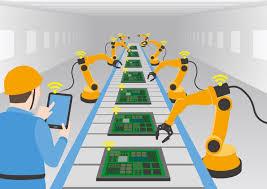
For example, in factories, machines handle repetitive tasks like packaging products. In homes, smart devices can control lighting or remind you to take breaks. Just as Raz vape devices deliver consistent flavors without extra effort from users, automation ensures processes are handled reliably every time.
Types of Automation
Automation comes in different forms, and understanding them helps to see how it impacts both industries and individuals.
1. Fixed Automation
-
Used in manufacturing for large-scale production.
-
Machines are set up for specific tasks, like car assembly lines.
-
High output, but limited flexibility.
2. Programmable Automation
-
Machines or systems that can be reprogrammed.
-
Common in batch production, where products vary but follow patterns.
-
Offers flexibility while still saving time.
3. Robotic Automation
-
Robots perform tasks humans once did.
-
Used in healthcare surgeries, warehouses, and customer service.
-
Increasingly affordable and widespread.
4. Software Automation
-
Found in businesses and personal devices.
-
Examples include email filters, chatbots, and scheduling apps.
-
Handles data-heavy, repetitive office tasks.
Automation is not just about machines—it’s also about software and smart tools. For instance, Raz vape devices with technology that automatically regulate airflow or battery power make user experience simpler, much like robotic automation reduces effort in industries.
Why Automation Matters
Automation is not just about saving effort—it reshapes how people live and work.
Benefits of Automation:
-
Efficiency: Tasks are completed faster.
-
Consistency: Results remain the same every time, like getting the same Strawberry Freeze flavor hit from Raz vape devices.
-
Cost savings: Businesses save money on labor and errors.
-
Safety: Reduces risks by removing people from hazardous environments.
Everyday Impact:
-
Smart homes adjusting lights and temperature.
-
Online banking with automated bill payments.
-
Workplace systems that handle repetitive emails or reports.
Automation also ensures comfort and predictability. Just like knowing your Raz vape devices will deliver the RAZ Pink Strazzberry Flavor every time, automated systems give people a sense of trust in their tools.
The Future of Automation
As technology grows, automation is spreading into more areas of life.
-
Artificial Intelligence (AI): AI-driven automation can make decisions, learn, and improve over time.
-
Healthcare: Robots assisting in surgeries and monitoring patients.
-
Transportation: Self-driving cars reducing human error.
-
Daily Use: From automated cooking appliances to personal apps that track habits.
The future will involve a balance between machines and humans. While machines handle repetitive or dangerous work, people will focus on creativity, problem-solving, and human interaction.
Automation is not about removing people from the picture—it’s about making space for more meaningful work and experiences. In many ways, the growth of automation resembles the reliability found in lifestyle products. For example, Raz vape devices combine design and automation so that users can enjoy Strawberry Freeze or RAZ Pink Strazzberry Flavor without worrying about battery control or airflow adjustments.
Conclusion
Automation is already here, shaping industries, homes, and lifestyles. From industrial robots to the smart devices in our pockets, it helps reduce errors, save time, and create smoother experiences.
For people curious about the role of automation in everyday life, it’s useful to think of it as a trusted system—like Raz vape devices consistently delivering Strawberry Freeze or RAZ Pink Strazzberry Flavor. The goal is not to replace people, but to free them from repetitive work so they can focus on things that matter more.
In the coming years, automation will continue to grow. Whether in factories, offices, homes, or personal lifestyle choices, it’s a tool that makes life easier, more consistent, and more reliable.

 English
 Arabic
 French
 Spanish
 Portuguese
 Turkish
 Dutch
Dutch
 Italiano
 Russian
 Romaian
 Portuguese (Brazil)
 Tiếng Việt