I have spent a lot of time looking for ways to express myself that don't feel restricted by a single set of rules. For a long time, I thought that being an artist meant I had to choose one path, like oil painting or charcoal sketching, and stick to it until I reached perfection. However, that narrow focus often leads to a creative block where I feel stuck and uninspired. I realized that the pressure to master one specific medium was actually preventing me from enjoying the process of creation. This is where I discovered Mixed media art, a versatile approach that allows me to combine different materials, textures, and techniques into a single piece of work. It broke down the walls for me because it removes the fear of making a mistake; in this field, every layer is just another part of the story you are telling.
Why We Often Feel Stuck in a Creative Rut
The problem many of us face is the feeling of being overwhelmed by the "right" way to do things. When I look at professional galleries, I see polished work that feels unattainable. This creates a psychological barrier that suggests if I don't have years of formal training, I shouldn't even bother picking up a brush. I used to sit at my desk, staring at a blank white page, feeling the weight of expectation. That stagnation is frustrating because it stifles the natural human urge to build and design. I found that I was spending more time researching tools than actually using them, which is a common trap for anyone starting a new hobby.
The Limitation of Single-Medium Projects
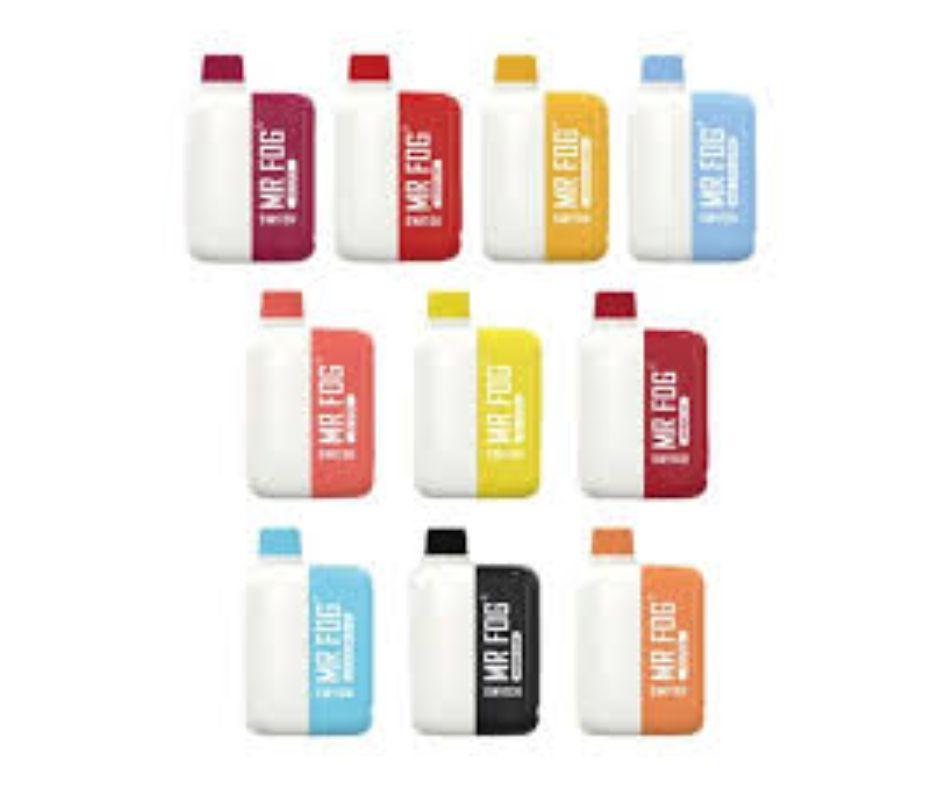
When I worked strictly with watercolors, I felt limited by the paper's capacity to hold moisture. When I worked only with pencils, I missed the vibrancy of color. This constant trade-off made me feel like I was missing out on the full potential of my ideas. I wanted a way to bring all these elements together without the materials fighting each other. I needed a method that was as flexible and satisfying as the variety found in mr fog switch flavors, where you can find exactly what suits your mood at that specific moment. Without that flexibility, my creative sessions felt more like chores than a relaxing escape from the daily grind.
Finding a Low-Pressure Entry Point
The most difficult part of starting any new craft is the initial investment and the steep learning curve. Many art forms require expensive specialized equipment right out of the gate. I was looking for something approachable that used items I already had around my house. I wanted a hobby that allowed for experimentation without the risk of wasting expensive supplies. Mixed media solved this for me because it thrives on found objects, recycled materials, and the blending of affordable supplies. It turned my frustration into a scavenger hunt, making the preparation phase just as fun as the execution phase.
The Fundamentals of Layering Materials
To get started, I had to understand the basic principle of "fat over lean" or, more simply, how different substances interact. I began with a sturdy base, like heavy-weight cardstock or a wooden panel. The beauty of this craft is that I can start with a simple acrylic wash and then add layers of paper, fabric, or even sand to create physical depth. I learned that as long as I let each layer dry, I could keep building upward. This process is incredibly tactile and satisfying, giving me a sense of accomplishment with every new texture I add to the surface.
Essential Tools for Every Beginner
I found that I didn't need a professional studio to begin. My basic kit includes a few key items that serve multiple purposes:
-
Gesso: This is a primer that makes almost any surface ready for paint.
-
Matte Medium: This acts as both a glue for collaging and a protective sealer.
-
Acrylic Paints: These dry quickly and are perfect for layering.
-
Found Objects: I save old tickets, dried leaves, and pieces of mesh to add unique patterns.
-
Mark-Making Tools: Aside from brushes, I use old credit cards to scrape paint and sponges to dab on texture.
Preparing Your Workspace for Success
I make sure my workspace is comfortable and well-ventilated, which is important for my overall focus. I like to set up near a window for natural light, which helps me see the true colors of my pigments. Having a dedicated spot means I can leave a project and come back to it whenever I have a spare twenty minutes. It’s about creating an environment where I feel relaxed. Just as I might enjoy the consistent performance of a mr fog max during a break, I want my art space to be a reliable zone of comfort and zero stress.
Exploring Different Techniques and Styles
Once I had my materials, I started experimenting with collage. This isn't just cutting out pictures from magazines; it's about finding shapes and colors that resonate with me. I often use tissue paper because it becomes translucent when wet with glue, allowing the colors underneath to peek through. This creates a "ghosting" effect that adds a lot of mystery to a piece. I also enjoy "stamping" with household items like bubble wrap or the end of a toilet paper roll to create repetitive geometric patterns that tie the whole composition together.
Incorporating Text and Typography
I find that adding words can give a piece of art a specific voice. I sometimes use old book pages or even my own handwriting to ground the abstract colors in something more literal. I don't worry about the text being perfectly legible; sometimes I want the words to blend into the background as a texture rather than a message. This allows me to express thoughts and feelings without the pressure of writing a full essay. It is a very personal way to document my journey and the things that inspire me on a daily basis.
The Role of Color Theory in My Work
I don't follow strict color wheels, but I do pay attention to how colors make me feel. I tend to gravitate toward warm earth tones when I want to feel grounded, or bright neons when I need a boost of energy. In mixed media, I can use oil pastels over acrylics to create highlights that really pop. The interaction between a matte background and a glossy top layer adds a professional finish that makes the artwork feel complete. It's all about finding a balance that looks good to my eye, regardless of traditional art "rules."
Overcoming the Fear of the "Ugly Stage"
Every piece I create goes through an "ugly stage" where nothing seems to match and the composition looks messy. I’ve learned to embrace this part of the process. In mixed media, this is actually the best time to add more layers. If I don't like a certain area, I simply paint over it or glue a new piece of paper on top. This resilience is what makes the medium so beginner-friendly. There is no such thing as a ruined canvas because every mistake is just a new foundation for the next layer of creativity.
Building Confidence Through Daily Practice
I try to do something creative every day, even if it's just for five minutes. Some days I just prepare a background with gesso, and other days I spend an hour detailing a specific section. This consistency has helped me develop my own unique style. I’ve noticed that my movements with the brush have become more fluid and my decisions more intuitive. It’s a great feeling to look back at a finished piece and realize that I created something tangible out of a collection of random scraps and paint.
Sharing Your Work with a Community
I’ve found that sharing my progress online or with friends adds another layer of enjoyment to the hobby. The Mixed media art community is incredibly supportive and full of people who are also experimenting and learning. Seeing how others use common materials inspires me to try new things. It reminds me that art is a conversation, not just a solo activity. By showing my work, I hope to encourage others to pick up a brush and realize that they are capable of creating something beautiful too.
Conclusion
Reflecting on my experience, I can say that starting this journey has been one of the most rewarding decisions I’ve made. It provided me with a healthy outlet for stress and a way to see the beauty in everyday objects. I’ve moved past the frustration of the blank page and now see every surface as an opportunity. The factual reality is that anyone can do this; it doesn't require a special "gift," just the willingness to play with materials and see what happens. Whether I am sitting down for a long session or just taking a quick break with my mr fog max, I appreciate the moments of calm that creativity brings to my life. I invite you to gather some scraps, find a bit of paint, and start your first layer today.

 English
 Arabic
 French
 Spanish
 Portuguese
 Deutsch
 Turkish
 Dutch
Dutch
 Italiano
 Romaian
 Portuguese (Brazil)
 Tiếng Việt