


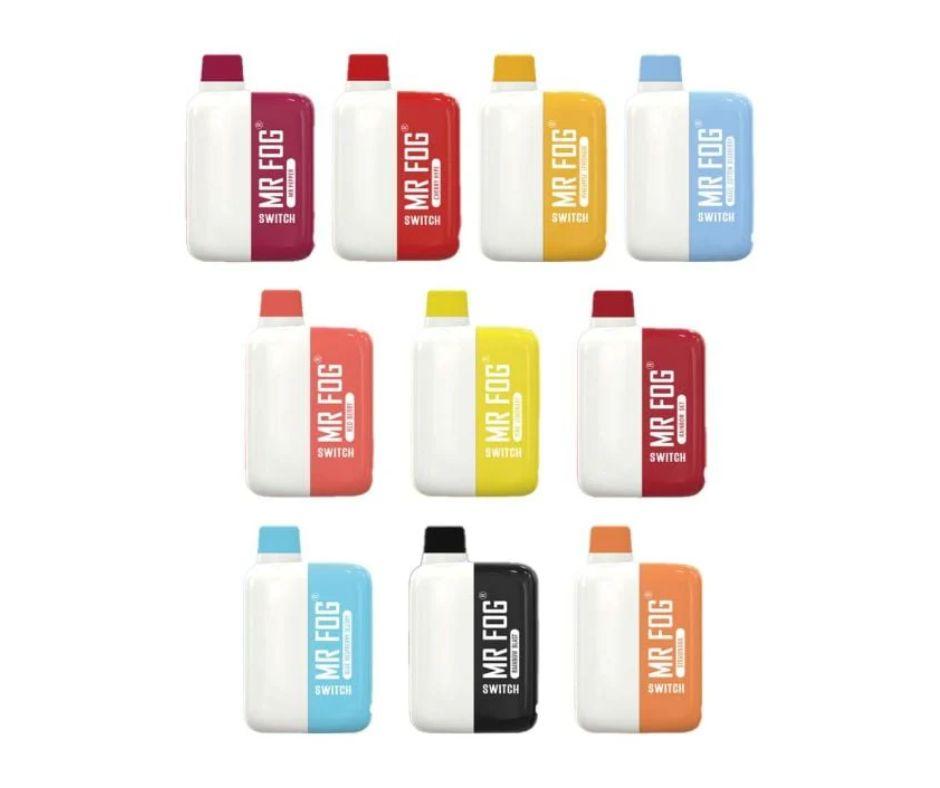
I have lived in several small apartments over the years, and I know exactly how it feels to have a big imagination trapped in a tiny floor plan. The main struggle I face is the constant battle for surface area. When my kitchen table doubles as my office and my hobby station, things get crowded fast. I often find myself wanting to start a new project but then hesitating because I don't want to live in a construction zone for a week. However, I realized that I don't need a massive basement or a dedicated studio to be a maker. I just needed to adapt my methods to fit my square footage. By choosing compact tools and being smart about my inventory, I can enjoy a wide range of mr fog flavors and creative outlets without feeling like my walls are closing in on me. The key is finding projects that offer a high visual impact but require a very small physical footprint.
Solving the Space Constraint for Urban Makers
The problem for many of us is that traditional crafts often require bulky equipment. If you want to get into woodworking or large-scale oil painting, you need room for saws, easels, and drying racks. In a studio apartment, that stuff just isn't practical. I used to look at DIY blogs and feel a bit left out because every project seemed to start with "go to your garage." When you don't have a garage, you end up doing nothing at all. This lack of a creative outlet can make home life feel a bit repetitive and uninspired. I wanted to find a way to express myself that didn't involve moving furniture every time I felt a spark of inspiration.
The Frustration of Clutter and Overlap
I hate feeling like I have to choose between a clean home and a creative life. When supplies start spilling onto the sofa or the floor, it stops being fun. I’ve had moments where I was so excited about a craft that I ignored the mess, only to feel stressed out later when I couldn't find a place to eat dinner. This friction between living and making is what stops most people from ever starting. I wanted a solution where I could set up, finish a task, and pack it all away in a single bin. I needed my hobbies to be as portable and streamlined as the tech I use every day.
Finding the Right Scale for Your Home
The solution is to focus on "micro-crafting." This means choosing activities that can be performed on a lap desk or a small tray. Instead of trying to change my apartment to fit the craft, I changed the craft to fit my apartment. I started looking for high-density hobbies—things that use small amounts of high-quality materials to produce impressive results. This approach allows me to keep my living space tidy while still satisfying that urge to build something with my hands. It turns out that some of the most sophisticated art forms are actually the ones that take up the least amount of space.
Top Compact DIY Projects for Small Spaces
One of the first things I tried was custom jewelry making. You only need a few pairs of pliers and a small bead organizer. Everything fits into a shoebox, and I can work on it while sitting on the couch. Another great option is hand-lettering or calligraphy. All it takes is a set of pens and a notebook. I found that these activities are perfect for winding down in the evening. While I'm looking for mr fog coupons online to save on my favorite supplies, I can easily have a sketchbook open next to me. These projects are low-mess and high-reward, making them ideal for anyone living in a city center or a shared house.
Digital Art and Graphic Design
If you really have zero physical storage, digital art is the ultimate space-saver. I use a tablet and a stylus to create illustrations and edit photos. This allows me to experiment with thousands of brushes and colors without ever buying a single tube of paint. The entire "studio" is just one thin device that I can slide under my pillow when I'm done. I’ve used this to design stickers, posters, and even custom skins for my devices. It’s a very clean way to stay creative, and the files are easy to share with friends or print out at a local shop when I want a physical copy of my work.
Vertical Gardening and Micro-Greenery
I don't have a backyard, but I do have windowsills. I started a small herb garden using recycled jars and wall-mounted planters. This adds a bit of life and color to my kitchen without taking up any counter space. It’s a slow-burn DIY project that requires just a few minutes of attention each day. Watching something grow from a seed is incredibly grounding. I also like making terrariums in small glass bowls. They are like tiny, self-contained worlds that sit perfectly on a bookshelf or a nightstand, providing a touch of nature in an urban environment.
Mastering the Art of Small-Batch Resin Work
I eventually moved into more technical crafts, and I found that Resin art is surprisingly manageable in a small home if you have a good setup. I use a small silicone mat to protect my table and focus on making coasters or keychains. These items don't take long to cure and they look incredibly professional. Because I work in small batches, I don't have to worry about huge fumes or massive cleanup. It’s a very satisfying process because the finish is so glossy and durable. It allows me to capture textures like dried flowers or glitter in a permanent form that lasts for years.
Safety and Ventilation in Tight Quarters
When working with any kind of chemical or paint in a small space, I always make sure to open a window. I’ve invested in a small desk fan to keep the air moving. I also use a dedicated "mess tray"—a plastic rimmed tray that catches any spills or drips. This keeps my furniture safe and makes the final cleanup a breeze. I’ve learned that being organized is the best way to stay safe and efficient. I keep all my mixing cups and stir sticks in a single lidded container so nothing gets lost or dusty between sessions.
Storing Your Finished Pieces
Once a project is done, the next challenge is where to put it. In a small home, I prefer to make things that are functional. Instead of just making "decor," I make things I can actually use, like personalized trays, custom magnets, or hand-painted mugs. This way, my art replaces my standard household items rather than adding to the total number of things I own. If I make something that is purely decorative, I usually give it away as a gift. This keeps my collection from growing too large while allowing me to keep practicing my skills.
Conclusion
Living in a small space doesn't mean you have to put your creativity on hold. I have found so much joy in discovering projects that fit into my life rather than fighting against my environment. By choosing the right scale and staying organized, I can turn even the smallest corner into a productive workshop. It’s all about being intentional with your choices and finding the beauty in the process. Whether I am sketching out a new design or simply enjoying the variety of mr fog flavors, I feel lucky to have a home that supports my passions. I hope you feel encouraged to try a small-scale project this weekend and see just how much you can accomplish in the space you already have.

 English
 Arabic
 French
 Spanish
 Deutsch
 Turkish
 Dutch
Dutch
 Italiano
 Russian
 Romaian
 Portuguese (Brazil)
 Tiếng Việt