


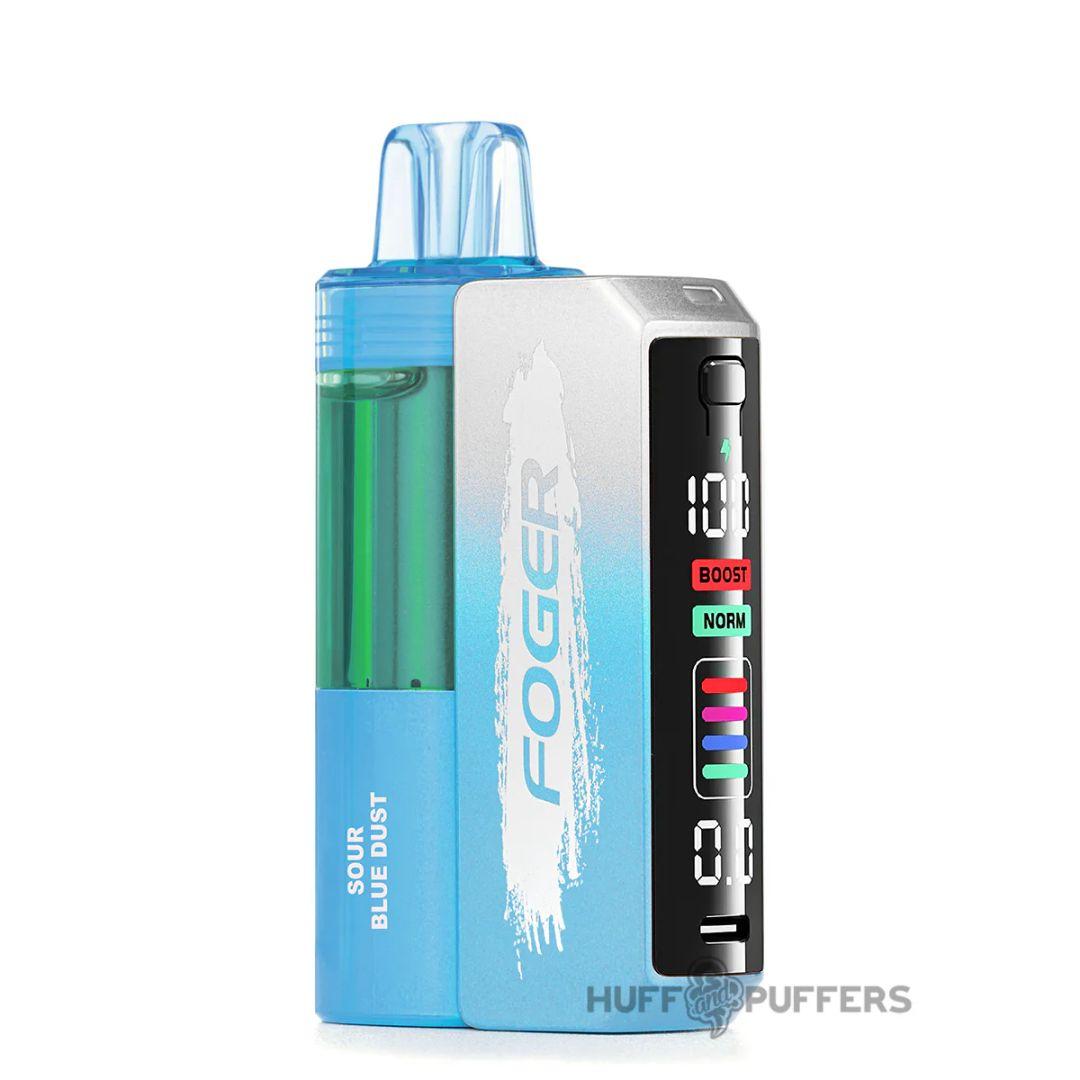
I have spent a lot of time looking around my apartment and feeling like it lacked a personal touch. The problem I often face is that high-end interior design is incredibly expensive, and I would rather spend my budget on quality lifestyle products like the foger switch pro vape than on a single designer lamp. I realized that my home environment significantly impacts my mood and my ability to relax. When my space feels generic or cluttered, I find it harder to unwind after a long day of work. I wanted a way to make my home feel curated and stylish without draining my bank account. I started researching how to create my own decor using basic materials, and it completely changed my perspective on what is possible with a little bit of time and effort. By focusing on practical projects, I have been able to build a sanctuary that reflects my personality while staying within a realistic budget.
The High Cost of Aesthetic Home Environments
The core issue is that many of us want a home that looks like a professional gallery, but we are met with a massive price barrier at traditional retail stores. I used to walk through furniture showrooms and feel frustrated because even a basic textured wall hanging or a set of stone coasters carried a premium price tag. It felt like I was being asked to pay for the brand name rather than the actual materials or craftsmanship. This often leads to a "waiting game" where we live with blank walls and empty shelves for years, waiting until we can afford to decorate everything at once. This delay prevents us from fully enjoying our living space in the present.
The Frustration of Temporary and Low-Quality Decor
When I did try to save money by buying cheap, mass-produced decor from big-box retailers, I often ended up disappointed. The items were made of flimsy plastic or poorly finished wood, and they didn't have any soul. They felt like "filler" rather than meaningful additions to my home. I wanted items that had weight, texture, and a story behind them. I realized that the "budget" options available in stores were often a waste of money because they didn't last or provide the aesthetic satisfaction I was looking for. I needed a middle ground—something affordable but high-quality and unique.
Reclaiming Your Space Through Creative Problem Solving
The solution was to stop looking at stores and start looking at raw materials. I discovered that I could replicate many of the high-end looks I saw in magazines by using simple items like clay, wood scraps, and cotton rope. By doing the labor myself, I could afford much higher quality materials than what is used in mass-market products. This shift in mindset allowed me to start decorating immediately. Instead of saving for months for one piece of art, I could spend ten dollars and a Saturday afternoon creating something that looked even better because it was customized to my exact preferences.
Essential Techniques for Budget-Friendly Decorating
I began my journey with small-scale projects to build my confidence. One of my favorite discoveries was air-dry clay. It doesn't require a kiln, and you can sand and paint it once it dries. I used it to make minimalist incense holders and textured trinket dishes. These small additions made my coffee table look much more intentional. I also started exploring the world of botanical decor. By pressing ferns or wildflowers I found on my walks and framing them between two sheets of glass, I created a high-end botanical gallery wall for the price of a few thrifted frames.
Utilizing Textiles to Add Warmth and Comfort
I found that adding fabric and thread to a room is the fastest way to make it feel "finished." I didn't need to be an expert at sewing to make an impact. Here are a few ways I used textiles to upgrade my space:
-
No-Sew Pillow Covers: I used iron-on hem tape to create custom cushion covers from vintage linen remnants.
-
Macramé Plant Hangers: Using simple cotton cord and a few basic knots, I moved my houseplants to the windows, saving floor space.
-
Canvas Wall Art: I bought large, inexpensive drop cloths and used them as giant canvases for abstract "plaster" art using joint compound from the hardware store.
-
Rope Baskets: By coiling cotton rope and gluing it together, I created sturdy, aesthetic bins for my various supplies and accessories.
Sourcing Materials Locally and Sustainably
I’ve become very good at spotting potential in unexpected places. I often check for a foger vape near me while I’m out exploring local thrift shops or hardware stores for project supplies. I’ve found that high-quality wood can often be sourced from old furniture that people are giving away. By stripping the old finish and sanding it down, I can create beautiful minimalist shelves or picture ledges. It is a very sustainable way to decorate because I am keeping materials out of the landfill while creating something functional and beautiful for my own home.
Designing a Cohesive Aesthetic on a Dime
One of the secrets to making DIY decor look professional is sticking to a consistent color palette. I chose a base of neutrals—creams, charcoals, and natural wood tones—and then added one or two accent colors. This ensures that even though my items are handmade, they all look like they belong to the same collection. I also pay close attention to lighting. Swapping out a harsh overhead bulb for a warm, hand-wrapped paper lamp makes the textures of my handmade items pop and creates a much more relaxing environment for my evening routine.
The Mental Benefits of Engaging in Craftsmanship
I have found that the act of making something with my hands is incredibly grounding. It forces me to step away from my laptop and focus on the physical world. There is a specific kind of pride that comes from someone asking where I bought a piece of decor and being able to say that I made it myself. It builds a sense of self-reliance and creativity that carries over into other parts of my life. My home is no longer just a place where I sleep; it is a gallery of my own progress and experiments.
Maintaining a Functional and Inspiring Workspace
To keep my hobby sustainable, I make sure my supplies are organized and accessible. I use a small rolling cart to hold my paints, glues, and tools. This allows me to work in the living room or at the kitchen table without creating a permanent mess. Having a dedicated kit for my Handmade crafts means that whenever I have a spare hour, I can start working immediately. This consistency has allowed me to slowly but surely transform every room in my house, one small project at a time, without ever feeling overwhelmed by the cost or the labor involved.
Conclusion
Reflecting on the changes I’ve made to my home, I am so glad I chose to take the DIY route. My space now feels warm, inviting, and truly mine. I’ve learned that style isn't something you buy; it's something you build. By sticking to factual, budget-friendly methods, I’ve been able to create a high-end look that satisfies my aesthetic needs while leaving plenty of room in my budget for the lifestyle products I enjoy. Whether I am relaxing on my couch with my foger switch pro vape or inviting friends over for a dinner party, I feel a deep sense of satisfaction in the environment I have created. I hope you feel inspired to look at your own blank walls as an opportunity to experiment and discover the joy of creating a home that reflects who you are.

 English
 Arabic
 French
 Spanish
 Portuguese
 Deutsch
 Turkish
 Dutch
Dutch
 Italiano
 Russian
 Romaian
 Portuguese (Brazil)