
In today’s fast-moving digital world, artificial intelligence is no longer an experiment—it has become part of everyday life. From writing essays to generating images, AI tools are everywhere. While these innovations bring remarkable convenience, they also raise an important question: How do we know what is created by a human and what is crafted by a machine? The answer lies in the growing use of the AI detector.
What Exactly Is an AI Detector?
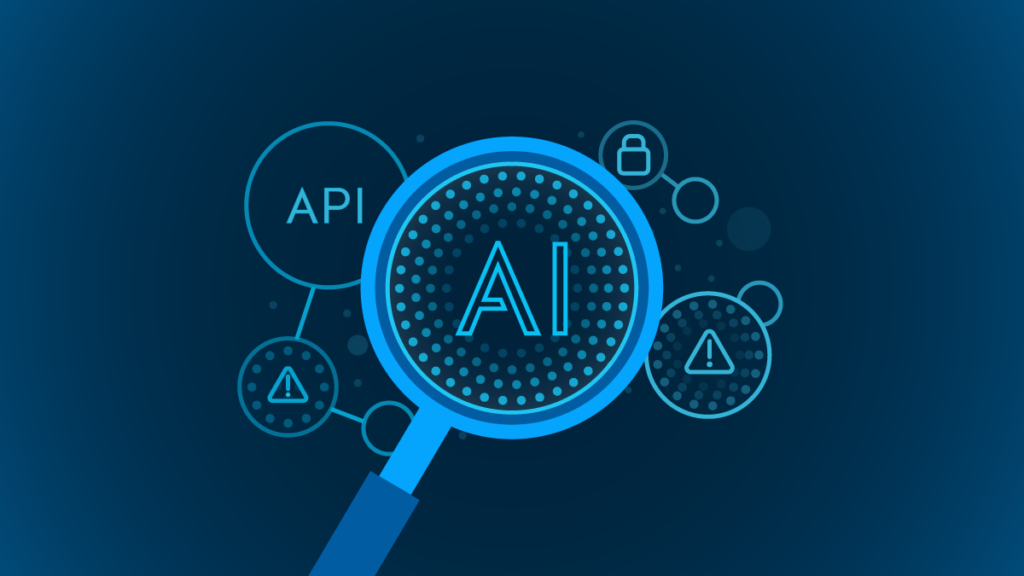
An AI detector is a tool designed to analyze text, images, or even audio to determine whether it was produced by human effort or generated by artificial intelligence. Think of it as a digital magnifying glass that examines subtle patterns—choice of words, sentence structure, or pixel consistency—that reveal the hidden fingerprints of AI.
Just as a metal detector helps treasure hunters uncover hidden coins, an AI detector helps educators, businesses, and online platforms uncover the truth behind digital content.
Why the AI Detector Matters
The use of AI has sparked debates across industries. Teachers worry about essays being written by bots, publishers want to maintain originality, and businesses need to ensure authentic communication with customers. Without a way to check, the line between genuine work and machine-made content becomes blurry.
The AI detector plays a crucial role in restoring trust. It creates transparency by offering insights into how something was created. For example, a student who submits an essay generated entirely by AI might pass unnoticed without such tools, but with a detector, the originality of the work can be verified.
How AI Detectors Work Behind the Scenes
Most AI detectors operate using advanced algorithms that scan for signals AI tends to leave behind. These signals may include:
-
Unnatural repetition – AI often repeats phrases or patterns more than a human would.
-
Overly balanced grammar – Machines tend to create flawless grammar, which can ironically look suspicious.
-
Predictable word choice – AI favors safe, common words, while humans use quirks and unique phrasing.
Through a combination of probability, machine learning, and linguistic analysis, detectors can estimate whether a piece of content is AI-generated or human-written.
Real-World Uses of AI Detectors
-
Education – Teachers use AI detectors to ensure students are submitting their own work.
-
Publishing – Editors rely on them to maintain originality in articles, stories, and blogs.
-
Recruitment – Companies use detectors to confirm that resumes and cover letters truly reflect the applicant’s skills.
-
Research – Academic institutions apply them to maintain the integrity of scientific papers.
Challenges Ahead
Despite their usefulness, AI detectors are not flawless. As AI tools become smarter, they learn to mimic human writing more naturally. This creates a cat-and-mouse game where detectors must constantly evolve to keep up with new AI models. There’s also the ethical debate: Should we always expose AI-generated work, or can it coexist with human creativity as long as it’s used responsibly?
A Glimpse Into the Future
Looking forward, AI detectors will likely become standard across digital platforms. They may be built into content management systems, social media sites, and even email applications. The future could see hybrid approaches—where humans and AI collaborate—but with detectors ensuring honesty and balance in that partnership.
Final Thoughts
The AI detector is more than just a tool—it’s a safeguard for truth in an age where reality can be blurred by algorithms. While AI continues to reshape how we live and work, detectors remind us that authenticity still matters. In the end, it’s not about resisting AI but about using it wisely and transparently.

 English
 Arabic
 French
 Spanish
 Portuguese
 Deutsch
 Dutch
Dutch
 Italiano
 Russian
 Romaian
 Portuguese (Brazil)
 Tiếng Việt